
When that winter energy bill arrives, figuring out how to reduce heating costs suddenly jumps to the top of your to-do list. The most effective ways to tackle this usually involve a mix of sealing your home from pesky drafts, getting your heating system in top shape, and thinking about long-term upgrades like energy-efficient windows. Even simple habit changes, like nudging the thermostat down a few degrees, can bring immediate savings.
Your Quick Guide to Lowering Winter Energy Bills
For homeowners in Monterey County, from Salinas to the coast in Carmel, high heating bills can be a real headache during the cooler months. The good news is you have more control over your energy use than you might think. It’s not about bundling up in five layers; it’s about making smart, targeted adjustments around your home.
A good first step is to understand where your money is going. According to the U.S. Department of Energy, heating can account for nearly 29% of a household's utility bill. That makes it the single largest energy expense for most residents in Salinas, making efficiency a top priority.
Starting with the Biggest Impacts
Before you start any major projects, it helps to know which actions will give you the most bang for your buck. Some fixes are quick and don't cost much, while others are bigger investments that will pay you back for years to come. We always advise homeowners in the Monterey area to start with the low-hanging fruit and then plan for larger upgrades.
The image below breaks down a few key points that put these costs and potential savings into perspective.
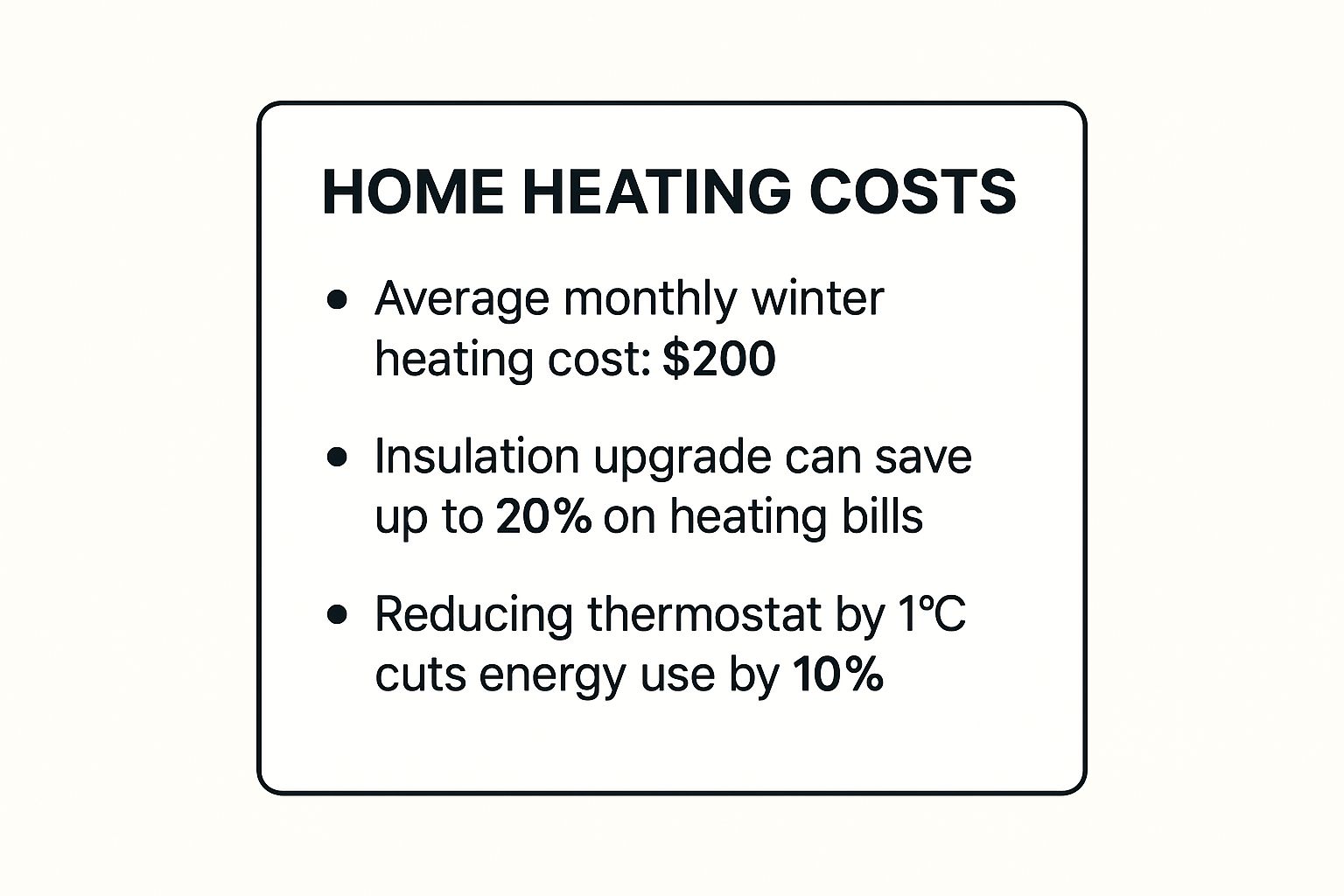
As you can see, a simple one-degree thermostat change can add up to real savings over a season. If you want a better handle on what your future bills might look like, a tool like an Energy Bill Forecaster can be incredibly helpful for budgeting.
To help you prioritize, we've put together a quick comparison of common strategies. This table lays out the typical effort involved against the kind of savings you can expect, which should help you decide what to tackle first.
Heating Cost Reduction Strategies at a Glance
| Strategy | Effort Level | Potential Savings |
|---|---|---|
| Adjust Thermostat | Low | 5-15% Annually |
| Seal Air Leaks | Low-Medium | 10-20% Annually |
| Upgrade Insulation | Medium-High | Up to 20% Annually |
| Install Energy-Efficient Windows | High | 10-25% Annually |
This table gives you a clear snapshot of where to focus your energy. Starting with low-effort, high-impact items is a great way to build momentum and see immediate results on your next bill.
Finding and Sealing Hidden Air Leaks
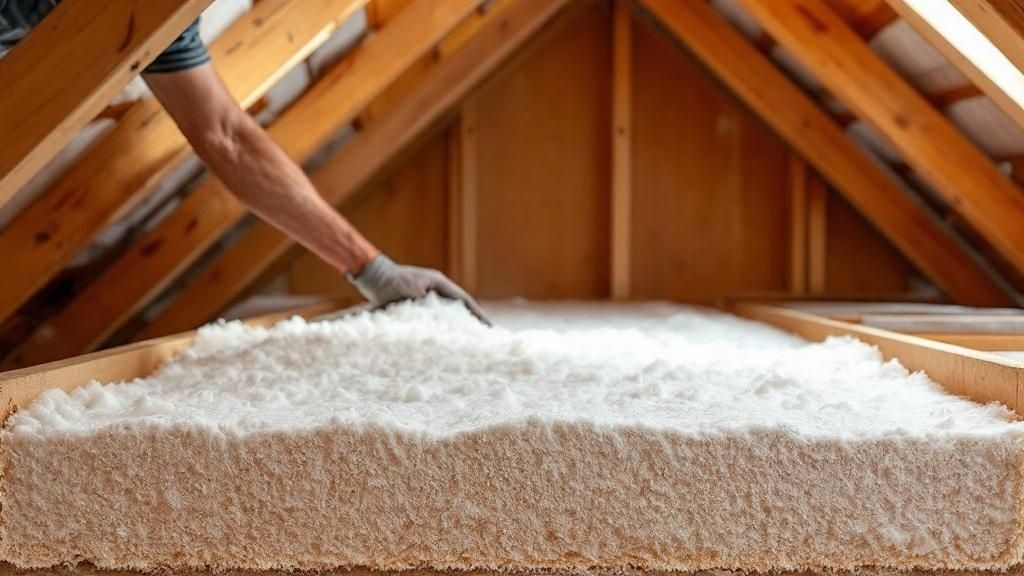
Before you touch that thermostat, let's talk about where your expensive heated air is going. For many of us here in the Monterey Bay area, especially those with older homes, hidden gaps and cracks are the real culprits behind high energy bills. The first, and often most effective, step is to become a "heat detective" in your own home.
Start with a simple visual inspection. Look for obvious cracks in the caulking around your window and door frames, gaps around electrical outlets on exterior walls, and spots where plumbing enters your house. These might seem minor, but they add up, essentially leaving a window cracked open all winter.
Where to Hunt for Common Air Leaks
Pinpointing these sneaky drafts is easier than you might think. A windy day can make it obvious, but for a more methodical approach, the classic incense stick test works wonders.
Simply light an incense stick and hold it near areas where you suspect a leak. If you see the smoke waver or get sucked out, you’ve found a problem.
Focus your hunt on these common trouble spots:
- Window and Door Frames: Check the entire perimeter where the frame meets the wall.
- Electrical Outlets and Switch Plates: Gaps around these boxes on outside walls are a frequent source of drafts.
- Recessed Lighting: These can create a direct path for heat to escape into your attic.
- Plumbing and Utility Entrances: Any spot where a pipe or wire goes through a wall, floor, or ceiling is a potential leak.
The Critical Role of Proper Insulation
Sealing gaps is a huge step, but it’s only half the battle. Think of your home’s insulation as its winter coat; if it's old or thin, you’ll feel the cold. This is especially true for your attic, where a massive amount of heat naturally rises and escapes.
Good insulation is one of the smartest investments you can make to lower energy bills. In fact, according to ENERGY STAR®, adding insulation can slash heating and cooling costs by an average of 15%. Homeowners from Salinas to Monterey see this firsthand—a well-insulated home provides a powerful, long-term fix for high heating bills.
To get a better sense of how your home's components work together, you can explore our guide on what's best for energy efficiency.
How Upgrading Your Windows Lowers Heating Costs
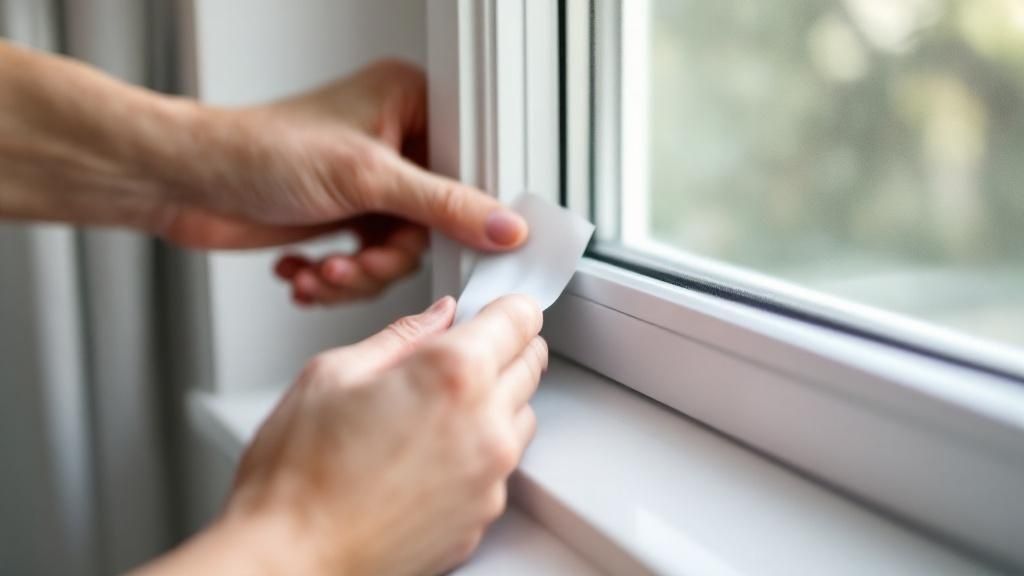
Your windows frame the beautiful views of the Salinas Valley, but they might also be a huge drain on your wallet. Old, inefficient windows are often the biggest culprits for heat loss. In fact, the Department of Energy estimates that heat gain and loss through windows account for 25% to 30% of what you spend on heating and cooling.
Essentially, old windows work against your furnace, letting precious warmth escape while cold air sneaks in. For many homeowners in Monterey County, upgrading single-pane or older double-pane windows is one of the most effective long-term strategies for lowering heating costs.
Understanding Modern Window Technology
It's easy to think of a window as just glass, but modern windows are sophisticated systems engineered to keep your home’s temperature stable. They use advanced features to create a powerful thermal shield.
You’ll find a few key technologies in today's high-performance windows:
- Double or Triple Panes: This creates insulated air gaps that dramatically slow down heat transfer.
- Low-E Coatings: A microscopically thin metallic coating reflects your home's heat back into the room, keeping you warmer.
- Inert Gas Fills: The space between panes is often filled with a dense, harmless gas like Argon, which is a far better insulator than regular air.
These features work together to keep heat where you want it: inside. Your heating system runs less frequently, which translates directly into lower energy bills for your Salinas home.
Comparing Window Types for Energy Efficiency
| Window Type | Insulation Quality | Best For | Cost Impact |
|---|---|---|---|
| Single-Pane | Poor | Sheds, garages; not recommended for homes | Low initial cost, high energy bills |
| Standard Double-Pane | Good | A basic upgrade from single-pane | Moderate cost, good energy savings |
| Low-E Double-Pane | Very Good | Most homes in the Monterey Bay climate | Higher cost, excellent energy savings |
| Triple-Pane with Gas | Excellent | Homes seeking maximum efficiency | Highest cost, maximum savings |
Choosing the right window often comes down to balancing your budget with long-term savings. For our local climate in Salinas and Monterey, Low-E double-pane windows usually hit the sweet spot.
The Long-Term Benefits of an Upgrade
Investing in new windows is a lasting improvement that pays you back over time. By significantly cutting down on heat loss, high-performance windows also ease the strain on your HVAC system, which can help extend its lifespan.
Beyond the numbers, the immediate improvement in comfort is something our clients in Carmel and Pacific Grove always rave about. As a local, family-operated business, we've seen the difference quality windows make firsthand. If you want to explore options for your home, you can learn more about our Monterey energy-efficient windows. And don't forget, understanding skylight energy efficiency is just as important if you have them.
Smart Thermostat Habits and HVAC Maintenance
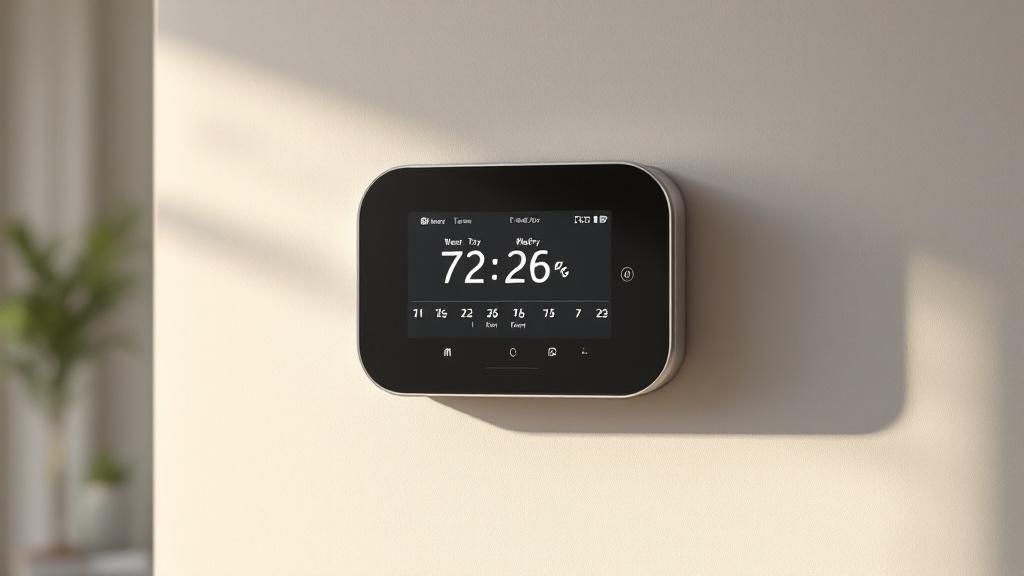
Even with efficient windows, your heating bill is still at the mercy of your HVAC system and how you use it. Developing smart thermostat habits and staying on top of routine care really pays off for homeowners in Salinas looking to trim their heating expenses.
It’s about more than just "turning it down." A programmable or smart thermostat takes the guesswork out of savings by aligning your heating schedule with your routine. You can save as much as 10% a year on heating just by setting your thermostat back 7°-10°F for eight hours a day, according to the U.S. Department of Energy.
Optimizing Your Thermostat for Savings
The goal is to stop paying to heat your home when you don’t need to—like when you’re at work or asleep. For most households in the Monterey area, a great starting point looks like this:
- When You're Home & Awake: Set the thermostat to a comfortable temperature, like 68°F.
- When You're Asleep or Away: Program the temperature to drop by several degrees.
- Avoid Constant Fiddling: Let the thermostat do its job. Constantly bumping the temperature up and down forces your system to work harder.
Keeping Your HVAC System in Top Shape
While the thermostat is the brain, your furnace is the heart of your home’s heating system. If it’s struggling, it’s going to guzzle energy to keep up. That’s why regular maintenance is essential for both efficiency and safety.
A dirty filter is a common culprit behind an inefficient furnace. When clogged with dust, it chokes airflow, forcing the system to run longer. Make it a habit to check your filter monthly and replace it every 1 to 3 months.
It's also worth taking a quick walk around your home to make sure all heating vents are open and clear of furniture or rugs. Obstructed vents disrupt air circulation, leading to cold spots and an overworked system. Keeping them clear ensures the warm air you’re paying for can get to you.
These habits, when paired with our recommendations for energy-efficient window solutions, create a powerful strategy for a warmer, more affordable home. If you use other heat sources, learning how to burn wood efficiently can provide even more savings.
Frequently Asked Questions About Home Heating Costs
As a local business serving Salinas and Monterey County for decades, we've helped countless homeowners keep their homes warm without breaking the bank. Here are the clear, straightforward answers to the most common questions we hear.
What is the ideal thermostat setting for winter savings?
For most families, setting your thermostat to 68°F when you're home is a great start. The real magic happens when you dial the temperature back by 7°–10°F for about eight hours a day, like when you are at work or asleep. According to the U.S. Department of Energy, this simple change can slash your annual heating bill by up to 10%.
How much can I really save with new windows?
A lot, especially if you have old, single-pane windows. The Department of Energy states that windows can be responsible for 25-30% of your home's heating energy use. By upgrading to modern, high-performance energy-efficient windows, homeowners in Salinas can realistically cut heating costs by 10% to 25% annually.
Is it worth sealing small drafts around windows and doors?
Absolutely. It’s easy to dismiss a tiny crack, but all those small leaks combined are like leaving a window open all winter. Sealing them with caulk and weatherstripping is a low-cost weekend project that prevents heated air from escaping and cold air from seeping in, giving your furnace a much-needed break.
Do window coverings actually help reduce heating costs?
They really do. On sunny days, open the curtains on south-facing windows to let in free solar heat. The moment the sun sets, close all drapes and blinds to trap that warmth inside and create an extra layer of insulation against the cold night air.
My furnace is old, should I replace it?
If your furnace is over 15 years old, it’s almost certainly a smart financial move to replace it. An older unit might have an efficiency rating (AFUE) of just 60-70%, meaning up to 40 cents of every dollar you spend on fuel is wasted. Modern high-efficiency furnaces can have an AFUE rating of over 95%, so the new system will pay for itself over its lifespan through lower energy bills.
Why are my heating bills so high in Monterey County if the climate is mild?
While our climate is mild, many homes in areas like Salinas, Monterey, and Carmel are older and may not be well-sealed or insulated. Poorly performing single-pane windows, drafts, and inefficient heating systems can cause energy bills to spike during our cooler, damp winter months as the furnace works overtime to maintain a comfortable temperature. Addressing these issues is key to reducing heating costs.
Ready to stop watching your money escape through old, inefficient windows? As a local, family-owned business, Signature Glass and Windows, Inc. has been helping homeowners in Salinas, Monterey, and Carmel reduce their heating costs with expert window and door solutions for decades.
Contact Signature Glass and Windows today for a free in-home consultation. Visit us at https://signatureglassandwindows.com or call us at (831) 754-8855 to find the perfect energy-saving solution for your home.