
Choosing the right replacement windows is a significant decision for any homeowner. A successful project means finding the perfect balance between material durability, energy efficiency, and a style that complements your home. For homeowners in Salinas and across Monterey County, the key is selecting windows that can stand up to our unique coastal climate for a lasting investment.
Your Guide to Choosing Windows in Monterey County
New windows change much more than just the view; they impact your home’s comfort, monthly energy bills, and curb appeal. As a local, family-operated business, we’ve helped your neighbors in Carmel, Monterey, and surrounding communities navigate this process for decades. We understand that our regional climate—with its foggy mornings, sunny afternoons, and salty air—adds another layer to your decision.
Think of this guide as a friendly chat about making your home better, more valuable, and more enjoyable. We’ll break down how to choose replacement windows by focusing on the most critical factors for homeowners in Monterey County. This provides a clear roadmap for your project.
Key Factors for Choosing Replacement Windows at a Glance
This table boils down the essential elements to consider when selecting new windows, helping you prioritize your needs from the get-go.
| Factor | What to Look For | Why It Matters for Monterey County |
|---|---|---|
| Frame Material | Durability and low maintenance (e.g., high-quality vinyl, fiberglass). | Our coastal air is tough. You need materials that resist salt, moisture, and sun without constant upkeep. |
| Energy Efficiency | ENERGY STAR® ratings, Low-E glass, gas-filled panes, low U-Factor and SHGC. | Fights foggy morning chill and hot afternoon sun, keeping your home comfortable and bills down. |
| Window Style | Architectural compatibility, from historic Monterey Colonial to modern ranch styles. | The right style enhances your home’s character and curb appeal, fitting seamlessly into our local aesthetic. |
| Installation Quality | Experienced, local installers with a strong reputation and proper licensing. | A great window installed poorly will fail. Professional installation ensures performance and longevity. |
With these core factors in mind, you can approach the window buying process with more confidence.
Breaking Down the Essentials
The sheer number of options can feel overwhelming when you first start looking. To cut through the noise, just focus on a few key areas that will have the biggest impact on your home’s performance and longevity.
Here’s what homeowners in Salinas should really be thinking about:
- Frame Material: This is the window’s skeleton, dictating its durability, maintenance needs, and overall look. We’ll explain how materials like vinyl and fiberglass perform against our coastal conditions.
- Energy Efficiency: The right windows keep your home warmer in the winter and cooler in the summer, making your living space much more comfortable year-round.
- Window Style: The design should complement your home’s architecture. Whether you have a historic Monterey Colonial or a newer build, the style must feel right.
- Professional Installation: Even the world’s best window will fail if it’s installed incorrectly. Finding a trustworthy, local installer is as important as the window itself.
The U.S. Department of Energy estimates that heat gain and loss through windows are responsible for 25% to 30% of what we spend on heating and cooling. Choosing the right windows directly tackles that waste, making your home more efficient from day one. If you’re interested in the broader trends, you can read the full research about the window replacement market to learn more.
Selecting the Right Window Frame Material
The frame is the backbone of your window, dictating everything from durability and visual appeal to maintenance. For homeowners anywhere from the Salinas Valley to the Monterey Peninsula, choosing the right material is a huge deal. It must stand up to our unique coastal climate.
This decision impacts longevity, energy efficiency, and your budget. When we help homeowners figure out how to choose replacement windows, we always start with the frame. Get this part right, and the rest of the project falls into place.
Vinyl Windows: A Smart and Practical Choice
Vinyl windows are the most popular choice for replacement projects, and it’s easy to see why. Made from a durable plastic called polyvinyl chloride (PVC), they offer an incredible balance of performance and value. For many residents in Salinas, this combination makes vinyl the perfect starting point.
One of vinyl’s biggest perks is its resistance to moisture—it won’t rot, peel, or corrode, a massive benefit in the salty air near Monterey Bay. This also means they’re incredibly low-maintenance; a simple cleaning is all they need to look great for years.
Fiberglass Windows: The Ultimate in Durability
When durability is your absolute top priority, fiberglass is the undisputed champion. Made from a composite of glass fibers and resin, these frames are incredibly strong and built to handle extreme temperatures without expanding or contracting. They hold a perfect seal over their entire, very long, lifespan.
For homes in Carmel and Pacific Grove that face direct coastal exposure, fiberglass is often our top recommendation for several reasons:
- Impervious to Moisture: Fiberglass doesn’t absorb water, making it immune to the rot, swelling, or warping caused by our foggy climate.
- Superior Strength: Its strength allows for slimmer frame profiles, which gives you more glass and a better view without sacrificing structural integrity.
- Paintable Finish: Unlike vinyl, fiberglass can be painted, giving you the flexibility to change your home’s exterior color down the road without needing new windows.
This material is a fantastic long-term investment, often lasting 30 to 50 years. Its resilience makes it a smart choice for anyone planning to stay in their home for decades.
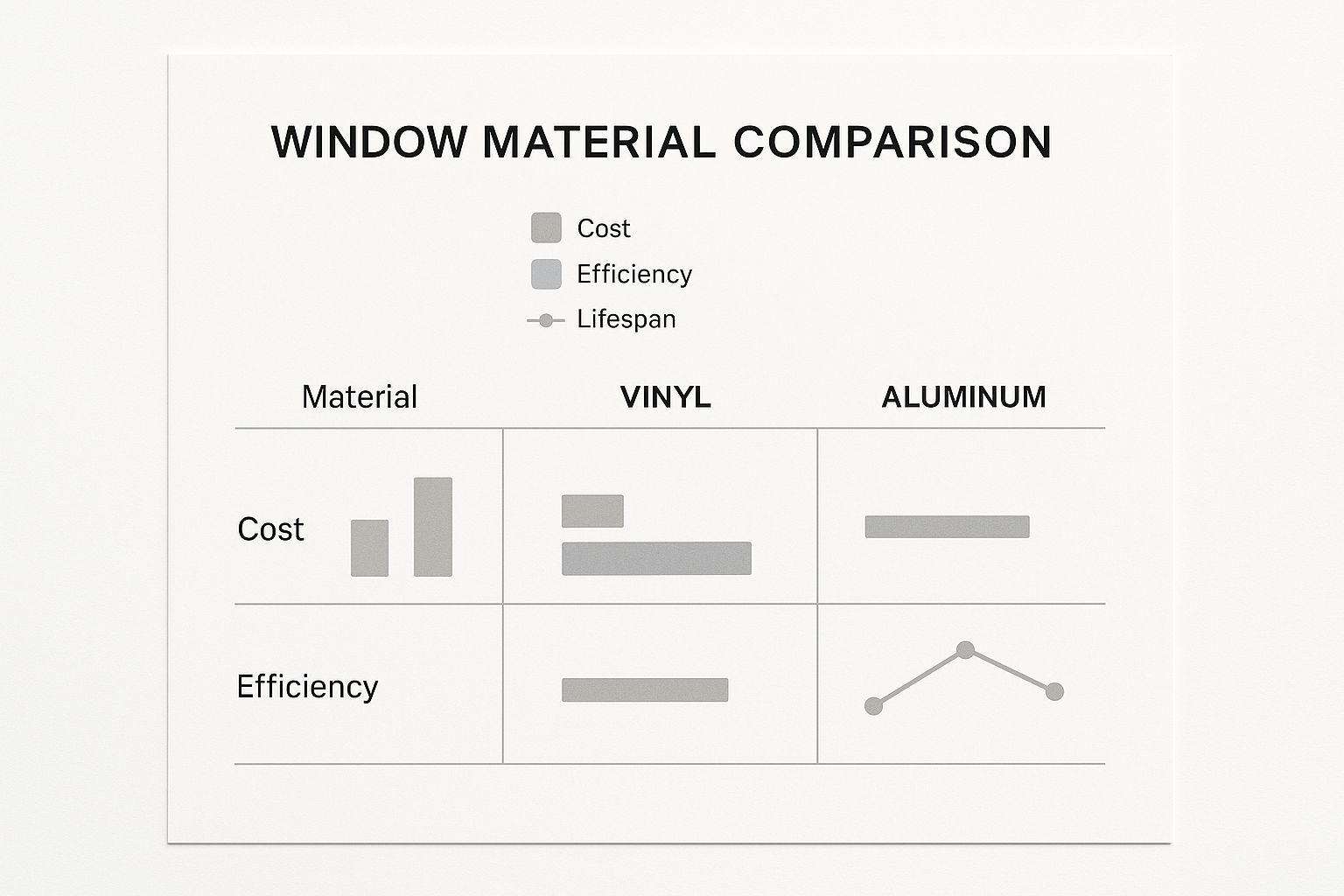
Window Frame Material Comparison
To make things even clearer, here’s a side-by-side comparison of common window frame materials to help you decide based on durability, cost, and maintenance for coastal California homes.
| Material | Pros | Cons | Best For |
|---|---|---|---|
| Vinyl | Low maintenance, cost-effective, good moisture resistance, great insulation. | Limited color options, can’t be painted. | Budget-conscious homeowners looking for all-around performance and low upkeep. |
| Fiberglass | Extremely durable, won’t warp or rot, can be painted, excellent insulator. | Higher initial cost than vinyl. | Homes in harsh coastal environments or for homeowners prioritizing longevity. |
| Wood | Classic, beautiful aesthetic, excellent natural insulator. | High maintenance, susceptible to rot and insects if not maintained. | Historic homes or those wanting a traditional, high-end look and are prepared for the upkeep. |
| Aluminum | Strong and lightweight, allows for slim and modern frames. | Poor insulator (conducts heat/cold), can be prone to corrosion in salty air. | Commercial applications or modern homes in milder climates where energy efficiency is less of a concern. |
This table should help you quickly weigh the pros and cons based on what matters most for your home and lifestyle.
Wood and Aluminum Windows: Classic Looks and Specific Uses
Wood windows offer a timeless, classic beauty that’s hard to replicate and provide excellent natural insulation. However, they require significant maintenance, especially in our climate, needing regular sealing to protect against moisture, rot, and warping.
Aluminum windows are known for their strength and slim, modern lines, but they are poor insulators. While newer designs include thermal breaks, they generally don’t perform as well as vinyl or fiberglass, making them less common for whole-home replacements for homeowners in Monterey County. You might find parallels when researching material comparisons for home features.
Ultimately, the best material for your replacement windows comes down to balancing budget, aesthetics, and long-term performance. To dive deeper, check out our detailed window material comparison.
Understanding Energy Efficiency Ratings
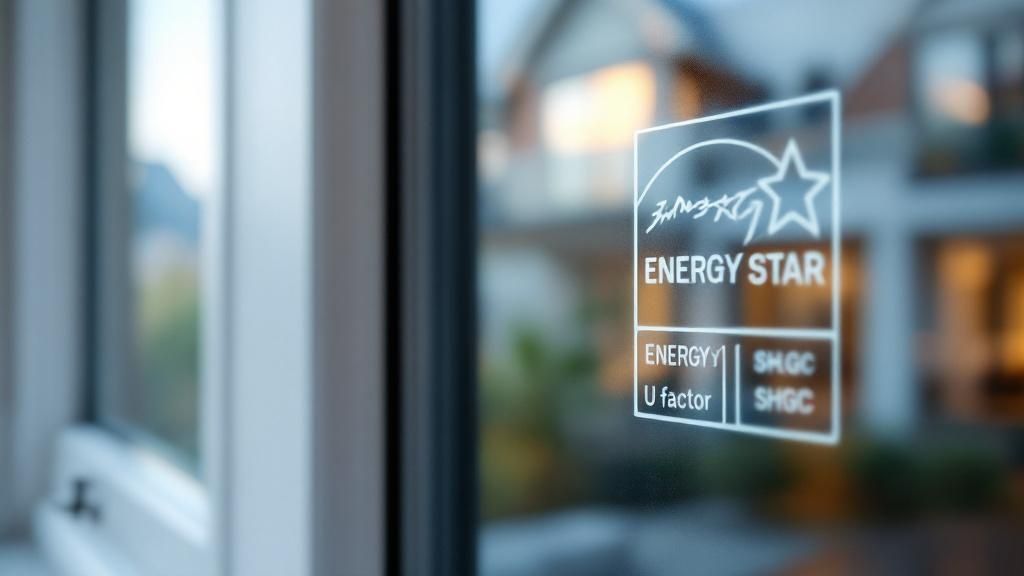
When digging into replacement windows, you’ll quickly encounter technical terms. Knowing what the ratings on a new window mean is the key to unlocking serious comfort and lower energy bills for years to come.
These ratings are a roadmap to how a window will perform in your specific home, which is especially true for us here in Monterey County. Our climate can swing from chilly mornings to intensely sunny afternoons, and the right window ratings make all the difference. You don’t need an engineering degree to figure it out; we’ll break down the key numbers on the National Fenestration Rating Council (NFRC) label into practical advice.
Decoding The NFRC Label: What Really Matters
Any reputable window should have an NFRC label, which provides certified, unbiased facts for a smart comparison. For homeowners in Salinas, Carmel, and Monterey, two ratings are most important:
- U-Factor: This measures how well a window stops heat from escaping. It’s crucial for keeping your house warm during our cool nights. The scale usually runs from 0.20 to 1.20, and a lower number is always better, meaning less heat loss.
- Solar Heat Gain Coefficient (SHGC): This tells you how much of the sun’s heat the window blocks. A low SHGC is your best friend on hot days, keeping your home from overheating. The scale is 0 to 1, and a lower number is generally what you want in our region.
The Perfect Window Ratings For Our Coastal Climate
The ideal energy ratings for your house depend on its specific location and sun exposure. A home in foggy Carmel has different needs than a house basking in the Salinas sun. This is where local expertise is a game-changer.
For most homes in our area, we recommend looking for windows with a U-Factor of 0.30 or lower for excellent insulation. For SHGC, a rating of 0.25 or lower is fantastic for blocking unwanted summer heat, which are the general targets ENERGY STAR promotes for our climate zone. The global market for energy-efficient windows is projected to reach USD 34.63 billion by 2034, driven by consumer demand for real savings. You can discover more insights about the energy-efficient windows market.
The Technology Behind Energy-Efficient Windows
So, what’s the magic that delivers these impressive ratings? It comes down to a few key features working together to create a powerful barrier between your home and the elements.
Here’s what to look for:
- Low-E Glass Coatings: Low-emissivity (Low-E) coatings are microscopically thin, transparent layers of metal on the glass that reflect heat. This keeps heat inside during the winter and outside during the summer without dimming natural light.
- Inert Gas Fills: In double- or triple-pane windows, the space between panes is often filled with a dense, harmless gas like argon or krypton. These gases are much better insulators than regular air, slowing heat transfer.
- Warm-Edge Spacers: Modern “warm-edge” spacers use less-conductive materials to hold glass panes apart. This reduces heat loss around the edge of the glass, preventing condensation and boosting overall efficiency.
Together, these features create a window system that helps maintain a comfortable temperature in your home. It’s a major part of how to save energy at home.
Matching Window Styles to Your Home’s Look
Windows do more than let in light; they are one of the most defining features of your home’s personality. The right style can elevate your property’s character, while the wrong one can feel out of place. This is a critical step in choosing replacement windows you’ll love for decades.
This decision is about both looks and function. As a local company serving Salinas and Monterey, we’ve seen how different styles perform in our unique coastal environment. We’ll help you find that perfect blend of form and function.
Popular Window Styles for Monterey County Homes
The style you choose should feel like a natural extension of your home’s architecture and align with how you live. Here are a few popular and practical styles we install for homeowners in our community:
- Double-Hung Windows: The quintessential American window, with two sashes that slide up and down for fantastic ventilation and easy cleaning.
- Casement Windows: Hinged on one side, these windows swing outward to capture cool coastal breezes and provide an unobstructed view when open.
- Sliding Windows: Simple and durable, these windows glide open horizontally, making them a great space-saving solution next to a patio or walkway.
- Awning Windows: Hinged at the top, awning windows push outward from the bottom, allowing for ventilation even during a light rain—a common occurrence here.
These are just the starting point. To get more ideas, you can explore the different types of replacement windows we offer.
Matching Windows to Local Architectural Styles
Our region is rich with diverse architecture, and the right windows will honor that character. For Spanish or Mediterranean-style homes in Monterey and Carmel Valley, arched or casement windows with traditional grille patterns look stunning. For Craftsman or bungalow-style homes, double-hung windows with a simple top-sash grille pattern reflect the emphasis on clean lines.
Functional Considerations for Window Styles
Finally, think about how you use each room. In a bathroom, an awning or frosted glass window placed high on the wall offers privacy and ventilation. For a living room overlooking the ocean, a large picture window flanked by two operable casements provides both an unobstructed view and fresh air.
When you balance beauty with practicality, you’ll end up with windows that not only look fantastic but also make your daily life a little bit better.
Finding a Trusted Local Window Installer
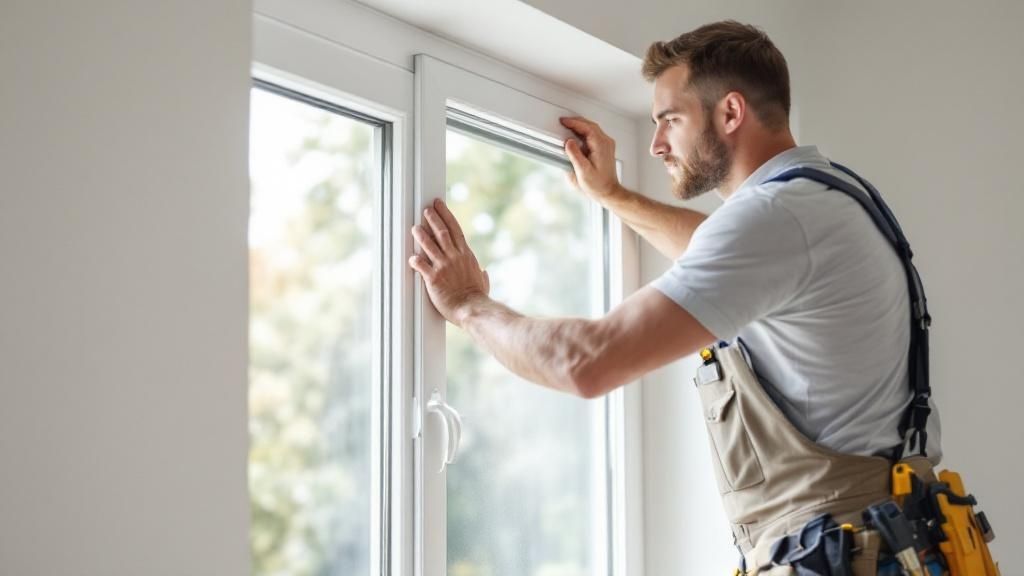
You can pick the most beautiful, energy-efficient window, but if it’s installed poorly, it won’t perform. The quality of the installation is just as critical as the quality of the window itself. This is where real craftsmanship and local expertise make a difference for homeowners in Salinas and Monterey.
A proper installation ensures your windows are weathertight, operate smoothly, and deliver the energy savings you paid for. A bad job can lead to drafts, water leaks, and even structural damage. That’s why vetting your installer is a non-negotiable step.
Full-Frame vs. Pocket Insert Installation
When getting quotes, contractors will likely discuss two main installation methods. Understanding the difference is key to making the right choice for your home.
- Pocket Insert (or Retrofit) Installation: This is the most common approach where the new window unit “inserts” into the existing frame. It’s faster, less disruptive, and generally more affordable.
- Full-Frame Replacement: This comprehensive method involves removing the entire window—including the original frame, sill, and trim—down to the rough opening. This allows inspection and repair of any hidden water damage or rot.
We typically recommend a full-frame replacement for older homes in Monterey County, where original wood frames may be compromised by moisture. For newer homes with solid frames, a pocket insert is often a perfectly fine solution.
Your Checklist for Vetting Installers
Finding a reliable contractor in the Monterey Bay area requires a little homework. As a local, family-operated business, we believe transparency is everything, so don’t be shy about asking direct questions.
Here’s what you should ask every potential contractor:
- Are you licensed and insured? Ask for their California State License Board (CSLB) number and proof of liability insurance and workers’ compensation.
- What warranties do you offer? You should get two warranties: one from the manufacturer and one from the installer covering labor.
- Do you have experience with local building codes? An experienced local crew in Salinas or Carmel will know permit and inspection requirements.
- Can you provide local references? Speaking to a former customer is one of the best ways to gauge an installer’s reliability.
Choosing the right partner is a major decision. For more details, learn how to choose a window installer in our dedicated article.
Frequently Asked Questions About Replacing Windows
Homeowners in Salinas and Monterey ask us a lot of great questions. We’ve gathered some of the most frequent ones here to give you straightforward, practical answers.
How much should I budget for replacement windows in Monterey County?
The investment depends on material, style, and custom features. As a general ballpark, homeowners can expect to budget anywhere from $600 to over $2,000 per window, installed. Vinyl is typically most budget-friendly, while high-end fiberglass or custom wood frames are on the higher end. The only way to get a true number is with an in-home estimate, as your home’s unique needs influence the final cost.
What is the best type of window for homes near the coast in Carmel or Monterey?
For our coastal homes fighting salt and moisture, we almost always recommend fiberglass frames because they are incredibly durable and resistant to the salt air. High-quality vinyl is another fantastic, low-maintenance option. What’s just as important is the hardware—look for stainless steel or other corrosion-resistant materials for locks and cranks to protect your investment.
How long does a typical window replacement project take?
The timeline depends on the number of windows and installation complexity. A professional crew can often install about 8-10 windows in a single day, meaning a full replacement for an average-sized home in Salinas might take just 2-3 days. This includes removal, prep, installation, sealing, and cleanup.
Are there local rebates or tax credits for installing energy-efficient windows?
Yes, there often are. Homeowners can frequently take advantage of federal tax credits for installing ENERGY STAR certified windows. Additionally, California utility providers like PG&E sometimes offer their own rebates. Programs change, so we advise customers to check official ENERGY STAR and utility websites for current information.
Do I need a permit to replace windows in Salinas or Monterey?
In most cases, yes. Municipalities across Monterey County, including Salinas and Monterey, typically require a building permit for window replacements, especially if you change the opening’s size or shape. This process protects you by ensuring the installation meets local building and safety codes. A reputable, licensed contractor will handle the entire permitting process for you.
Ready to upgrade your home with beautiful, energy-efficient windows? As a family-operated business, the team at Signature Glass and Windows, Inc. has been helping homeowners across Salinas, Monterey, and Carmel make confident decisions for decades.
Contact Signature Glass and Windows today for a free in-home consultation! Call us at 831-449-1129.